Designing your own jerseys—here’s what you should keep in mind.
A cool soccer jersey with a custom design can be a highlight for any team. Or an embarrassing flop if you overlook key design elements or don’t realize that a color looks completely different on a computer screen than it does in print. So if you want a great result, there are a few things you should keep in mind—and it’s best to work with professionals who can provide comprehensive advice and handle the most important steps for you. Here we present a small selection of things you should definitely keep in mind when designing your own jersey:
JERSEY COLORS
Choosing the right colors is an essential part of creating a cool jersey design. For example, it’s important that the colors on the jersey work well together. Using too many colors can make the jersey look unbalanced. You shouldn’t use more than three colors. It’s also a good idea to use colors of varying intensity. For example, red could be the main color, blue a secondary color, and white a color for small, subtle details. So-called jersey configurators often don’t offer the option to display colors in this way. That’s why we strongly recommend having a designer create a truly custom jersey for you.
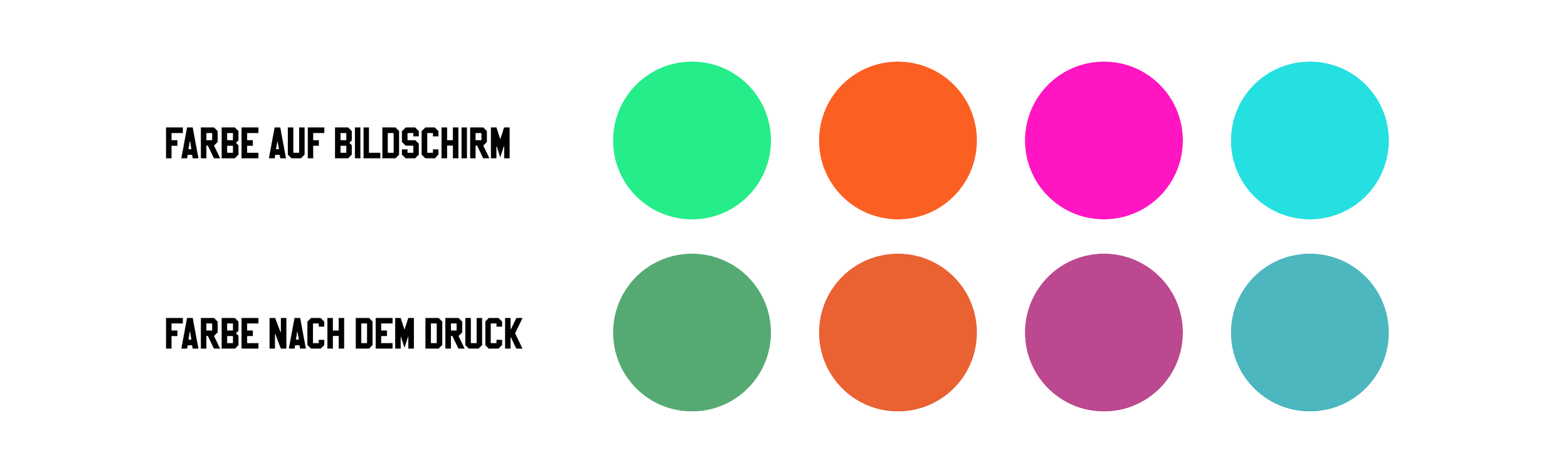
Example of different print results using the same ink.
Logo and lettering
The logo and lettering on the jersey—what could possibly go wrong? Quite a lot! There are now a number of companies offering custom-designed jerseys. However, many don’t bother to arrange names, numbers, logos, and the club crest in a harmonious way. For example, the sizes of the equipment supplier’s logo and the club crest often don’t match. Or the club crest isn’t aligned with the equipment supplier’s logo on the jersey but is shifted up or down. Sometimes the text on the back is also much too small. Or more than two different fonts are used on the jersey, which goes against all good taste. The sponsor logo on the chest should also not be placed too high, too low, too small, or too large. Not only from a design perspective, but also because the DFB has clear guidelines on this. In short, don’t cut corners in the wrong places—make sure your jersey manufacturer really knows their craft.

A small selection of examples showing correct and incorrect placement of elements on the jersey.
JERSEY PATTERNS AND GRAPHICS
Patterns and graphics can make a jersey look more attractive, eye-catching, or unique—or they can completely ruin it. For example, if the pattern isn’t in the exact same shade of green as your logo, you’ll end up with two or even more different shades of green on the jersey. And that doesn’t look very good. Especially when you customize your jersey with logo patches or flock printing, it’s crucial to ensure harmony among all elements (patterns, jersey color, logos, lettering, etc.) to avoid creating a color chaos that is anything but harmonious.
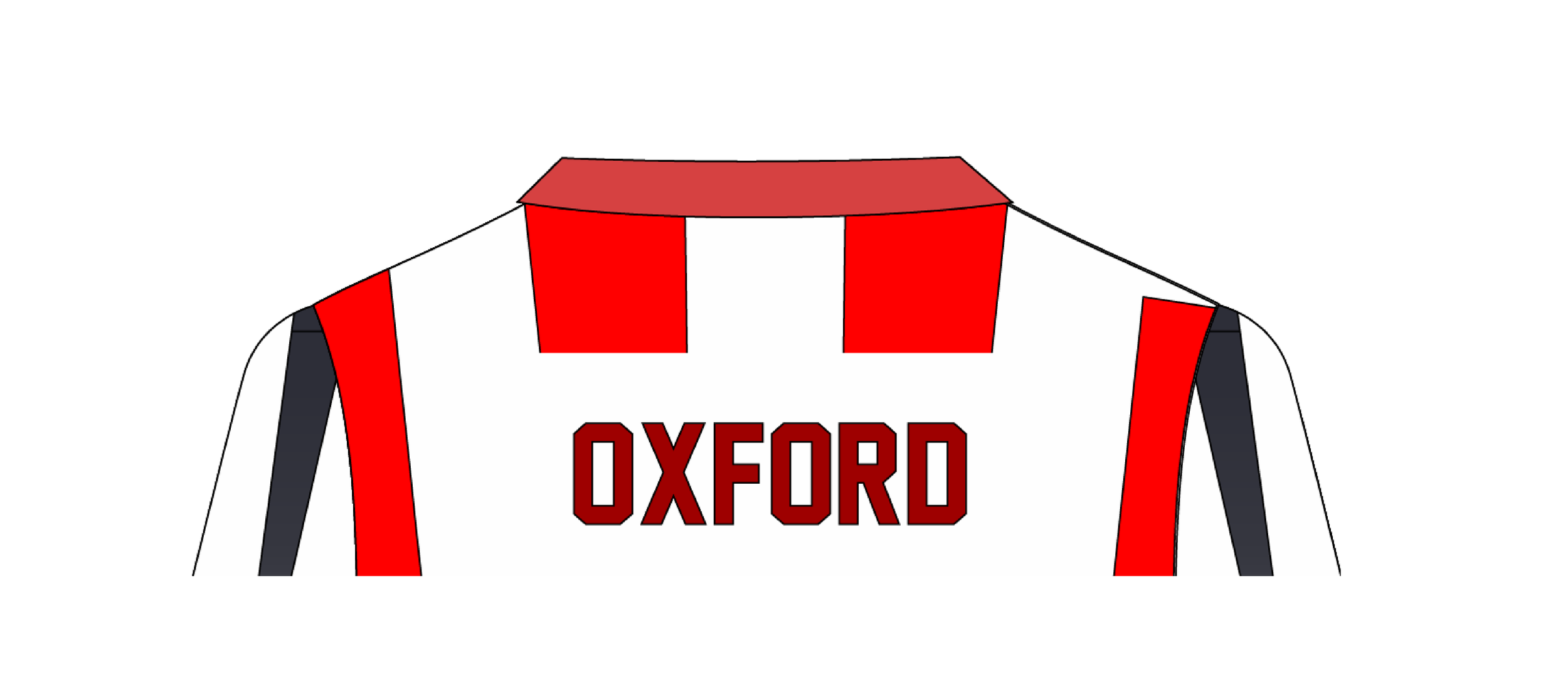
Example of three different shades of red on a jersey due to different materials (polyester, flock, rib, etc.) or an incorrect color choice.
JERSEY Fit and Materials
Of course, a jersey should also be comfortable and functional. The quality of the material is key to this, as is the cut. Some fabrics are thinner and lighter to wear, while others are heavier. However, whether a fabric is heavier or thinner isn’t necessarily an indicator of good or bad quality. Instead, you should decide as a team which fabric you prefer. This isn’t always easy, because while a thinner fabric is ideal in the summer or indoors, it can be too cold in the winter. In that case, we sometimes recommend either two jersey designs with different fabrics, or having a long-sleeved thermal shirt made in the exact same color as your custom-designed jersey.
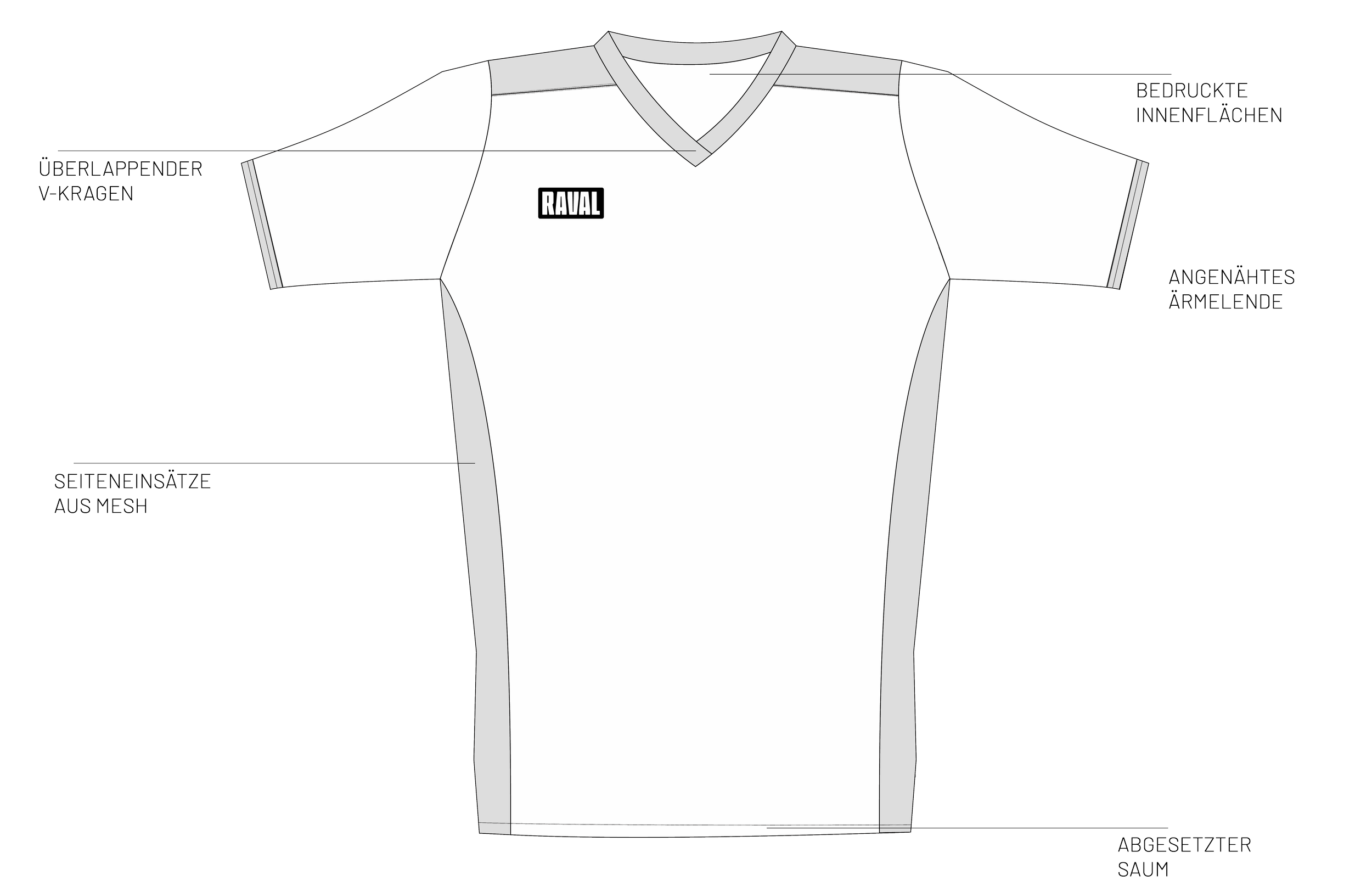
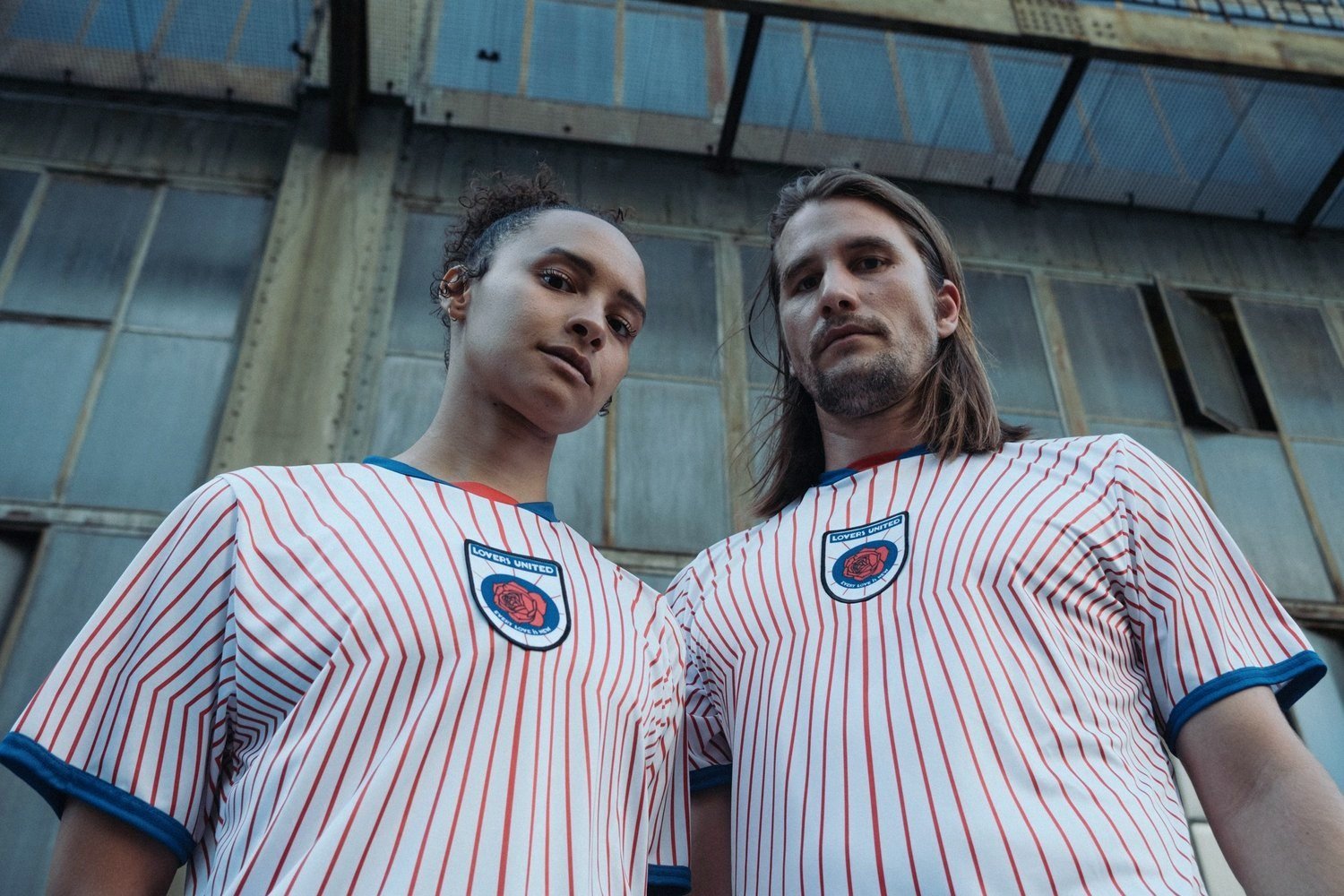
Here's an example of a stylish jersey design with a comfortable fit thanks to a variety of design elements. You can find a complete overview here.
Jersey Customization
Team jerseys are adorned with numerous embellishments down to the smallest detail—from the club crest and the player’s name and number to the sponsor’s logo on the chest and sleeve. The possibilities for customization are endless. And unfortunately, they’re often expensive. That’s why many teams tend to have all logos, names, and numbers printed directly onto the fabric, since this incurs no additional costs. If the manufacturer’s print quality is good, the difference from sewn-on logos, flocked numbers, or foil names is barely noticeable. However, this option often resembles cheap jersey knockoffs that you can buy on vacation for a bargain. A jersey with a sewn-on logo is definitely a lot cooler. And if you’re designing your own jersey, you probably shouldn’t skimp on this.
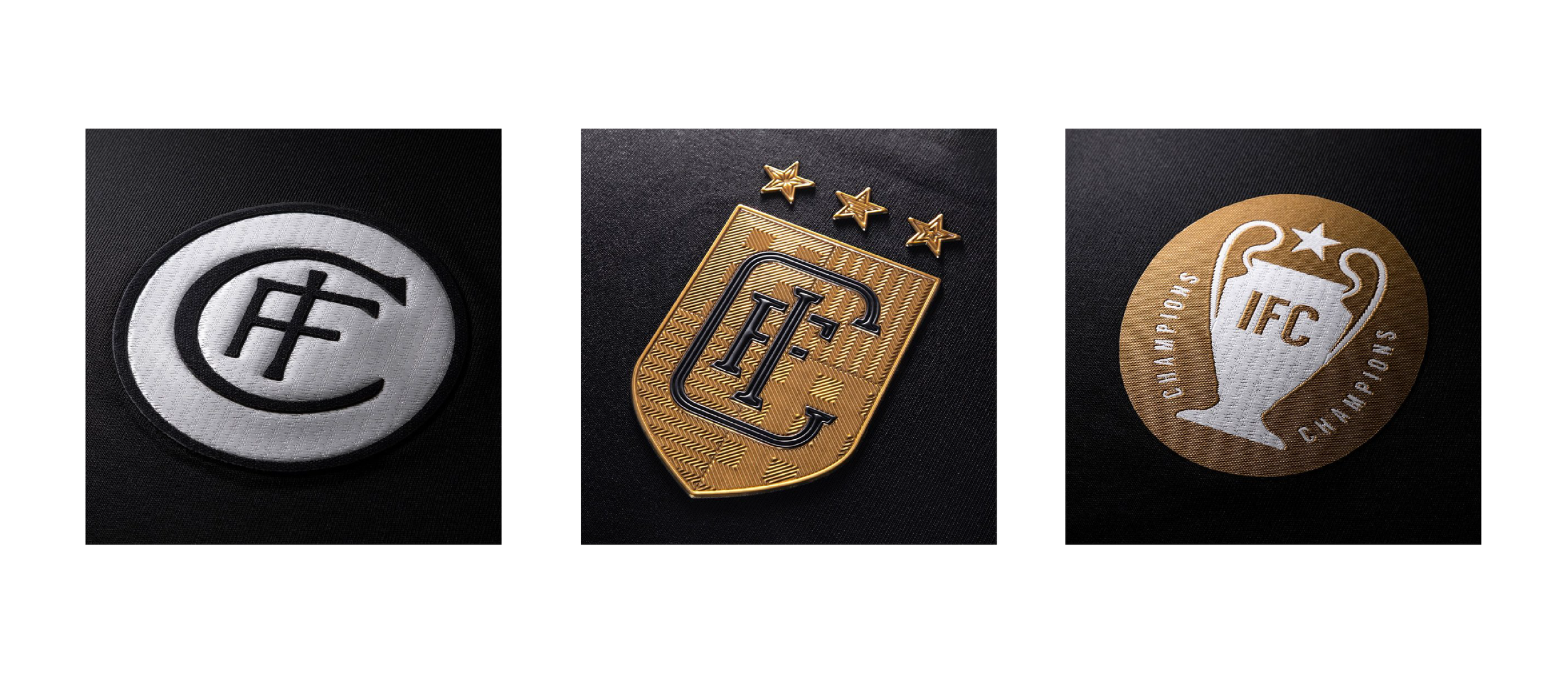
Examples of different finishing options for the logo: embroidered, made of gold-plated TPU hard plastic, and as a woven version.
We’d be happy to assist you with the design and production of your custom jerseys. We also place a strong emphasis on fair production practices and sustainability. Visit our website at www.ravalfootball.de or contact us to discuss all your options with no obligation. By the way, our design proposal for your custom jersey is completely free. Learn more here.